“Bean Shape” search results (2000)
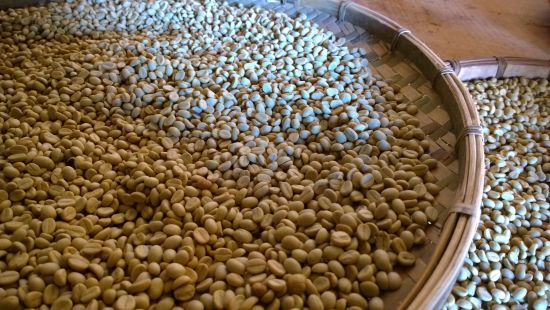
How to choose the best drinking period of fresh coffee bean coffee is the best one week after stir-frying.
Freshness is the soul of coffee flavor, so no matter which country it is produced, which manufacturer processes it, or which merchant sells it, the most important thing is to ensure freshness. Generally speaking, the best drinking period for coffee is a week after stir-frying, when the coffee beans are the freshest and the Aroma taste is the best. Tool / Raw Coffee Bean method / step 1
2016-04-06 How to choose fresh coffee beans best drink a week at this time coffee
The knack of distinguishing the freshness of coffee beans
Good coffee beans, neat shape, bright color, roasted by single stir-fry. After brewing, the flavor is mellow and the stamina is strong; the bad coffee beans are of different shapes and incomplete. It is not mellow enough to talk about fragrance after brewing.
2014-06-09 Coffee knowledge coffee bean freshness coffee encyclopedia
How to preserve coffee? how to preserve coffee?
There is a knack for distinguishing the freshness of coffee beans: fresh coffee beans smell fragrant, otherwise they are tasteless or have a bad smell. Look at it: good coffee beans are complete in shape and full in size. On the contrary, the shape is incomplete. Hand pressure: fresh coffee beans are fresh and crisp, and the fragrance comes out when they crack. Color: dark black coffee beans, the brewed coffee has a bitter taste; yellow coffee beans
2014-08-19 Coffee knowledge coffee bean preservation preservation methods coffee encyclopedia
How to buy fresh coffee beans how to save coffee beans
There is a knack for distinguishing the freshness of coffee beans: fresh coffee beans smell fragrant, otherwise they are tasteless or have a bad smell. Look at it: good coffee beans are complete in shape and full in size. On the contrary, the shape is incomplete. Hand pressure: fresh coffee beans are fresh and crisp, and the fragrance comes out when they crack. Color: dark black coffee beans, the brewed coffee has a bitter taste; yellow coffee beans
2015-03-16 How to buy fresh coffee beans how to preserve freshness discrimination formula
Sumatran Coffee introduction
With its unique flavor, compact bean shape and low acidity, this rustic coffee is described as the famous Sumatran coffee. The unique wet processing method is the source of the unique flavor of Sumatran coffee. This processing method, known as Sumatras, gives Sumatran coffee earth-like flavor, with the aroma of trees and the smell of soil.
2016-06-13 Sumatra coffee introduction unique flavor texture compactness bean shape and more
Selection and treatment of high-quality coffee beans
Newness is the most important factor in buying coffee beans. To judge whether there are two steps between buying new beans and whether there are two steps: grab a handful of coffee beans and feel them with your palms. Is it enough to have a fragrance close to the nose? Put a bunch of beans into your mouth and bite them. A crisp sound indicates that the beans are well preserved and damp. If you want a single coffee bean, grab one in the palm of your hand.
2014-11-06 Coffee knowledge boutique coffee science coffee bean selection coffee bean processing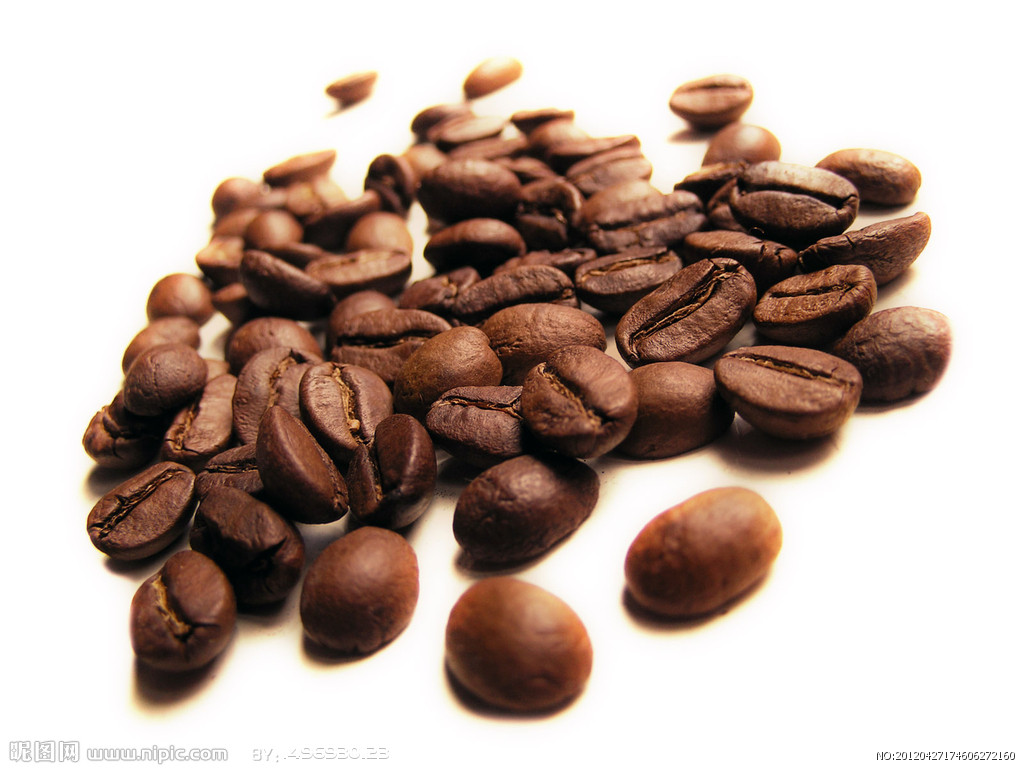
Coffee Dictionary-- A detailed introduction to the shape features of common coffee beans, good and bad types of coffee beans
Coffee cherry: the fruit of a coffee tree, named because its rind is bright red and its shape is very similar to cherries. Round beans: in the process of coffee fruit growth, one of a pair of seeds develops very well, and the other seed is eaten so that the coffee beans that are supposed to be oval become round. Elephant beans: larger than ordinary coffee beans, the taste is usually insipid. Coffee belt (Coffe)
2016-01-05 Coffee dictionaries coffee beans common type shape characteristics details introduction coffee
Coffee beans-what are bad beans?
After harvest, peel, pulp, racing peel and silver peel should be removed before shipping and listing. There are two kinds of methods: drying (also known as natural or non-washing) and washing. Dry type: coffee beans selected coffee bean atlas shape judgment delicious coffee, from its fried coffee bean shape can be known, as shown in the following picture. Of course, there can be no bad coffee beans mixed in, but also note.
2016-06-08 Coffee beans type what bad harvest fruit shipment listing removal skin
The main varieties of coffee and specialty coffee bean types Introduction
Blue Mountain Coffee: Produced in Jamaica, sweet, slightly sour, supple, sweet, delicate flavor, light taste. Colombia: produced in South America, slightly sour, mellow, supple and mellow, slightly sour to medium acid. Brazilian coffee: produced in South America, neutral, medium bitter, strong, slightly sour, slightly bitter, restrained. Mantenin: produced in Indonesia, Sumatra. Melol fragrance, fragrant and bitter. Mocha: Made in clothing
2015-02-27 coffee main variety specialty coffee bean type introduction blue mountain produced in
Varieties of coffee beans
According to the variety of coffee beans (Coffee Bean) can be divided into three types of coffee beans are: Arabica coffee contains about 1% per cent by weight of caffeine, generally speaking, the better quality, more expensive coffee beans, are from Elaraby (Arabica) coffee beans. Accounts for 3/4 of the world's output, good quality, due to the coffee tree itself
2014-06-26 Boutique coffee beans individual coffee beans coffee bean types
Unique Grain shape complete Yemeni Coffee Variety characteristics introduction to Flavor Coffee beans in Manor
Yemeni coffee originated from Arabian coffee trees hundreds of years ago, all produced in areas above 3000 feet above sea level. For hundreds of years, the unique planting and production methods of Yemeni coffee have remained almost unchanged. The seedlings of Yemeni coffee trees are first cultivated in nurseries and then transplanted to high elevations. Pesticides and fertilizers are not used in the breeding process. Mature coffee beans are naturally dried on coffee trees and shelled by stone grinding.
2016-09-01 Flavor unique grain shape complete Yemen coffee variety characteristics taste manor
Yemeni Coffee varieties with complete Grain shape and unique Flavor introduction to Fine Coffee beans in Manor
Yemeni coffee originated from Arabian coffee trees hundreds of years ago, all produced in areas above 3000 feet above sea level. For hundreds of years, the unique planting and production methods of Yemeni coffee have remained almost unchanged. The seedlings of Yemeni coffee trees are first cultivated in nurseries and then transplanted to high elevations. Pesticides and fertilizers are not used in the breeding process. Mature coffee beans are naturally dried on coffee trees and shelled by stone grinding.
2016-09-02 Grain shape integrity flavor unique Yemen coffee variety characteristics taste manor
Yemeni Coffee varieties with complete Grain shape and unique Flavor introduction to Fine Coffee beans in Manor
Yemeni coffee originated from Arabian coffee trees hundreds of years ago, all produced in areas above 3000 feet above sea level. For hundreds of years, the unique planting and production methods of Yemeni coffee have remained almost unchanged. The seedlings of Yemeni coffee trees are first cultivated in nurseries and then transplanted to high elevations. Pesticides and fertilizers are not used in the breeding process. Mature coffee beans are naturally dried on coffee trees and shelled by stone grinding.
2016-09-02 Grain shape integrity flavor unique Yemen coffee variety taste characteristics manor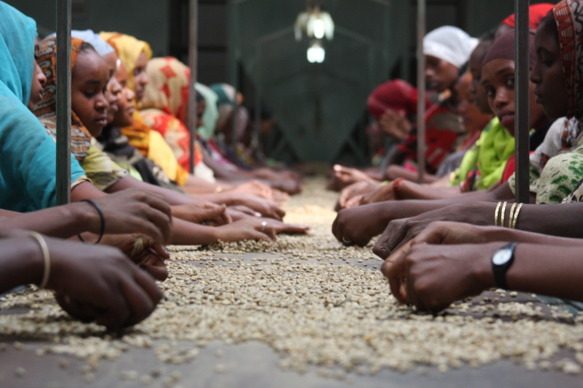
Introduction to the Flavor of Fine Coffee beans with unique Grain shape and complete Yemeni Coffee varieties
Yemeni coffee originated from Arabian coffee trees hundreds of years ago, all produced in areas above 3000 feet above sea level. For hundreds of years, the unique planting and production methods of Yemeni coffee have remained almost unchanged. The seedlings of Yemeni coffee trees are first cultivated in nurseries and then transplanted to high elevations. Pesticides and fertilizers are not used in the breeding process. Mature coffee beans are naturally dried on coffee trees and shelled by stone grinding.
2016-09-05 Flavor unique grain shape integrity Yemen coffee variety taste manor characteristics
The basic knowledge of Coffee planting
What is coffee? Coffee is the fruit of a Rubiaceae plant growing about 6000 feet above sea level, distributed on the world's narrow subtropical axis; coffee trees grow green all the year round and can grow up to 20 feet tall, and are generally controlled at 8 to 10 feet for easy harvest. It takes three to five years for the coffee tree to bear fruit. First of all, it produces small white flowers that resemble jasmine in shape and size.
2015-02-16 Coffee planting basic knowledge common sense what coffee growing in altitude 000 feet
Coffee beans round beans from Barahona Manor, Dominica
The producing area is Barahona, with an altitude of more than 1400 meters, and the annual output is rare. This year, Taiwan is allocated only 1.5 tons, and the harvest period is from January to June every year. The reason for the scarcity of PeaBerry coffee production is that each coffee tree has only the fruit at the end of the branches and leaves. Because of the growth and development, there will be a larger fruit to cover the smaller fruit and grow into a round shape, and the general coffee.
2014-09-09 Coffee beans Dominica Barahona Manor round beans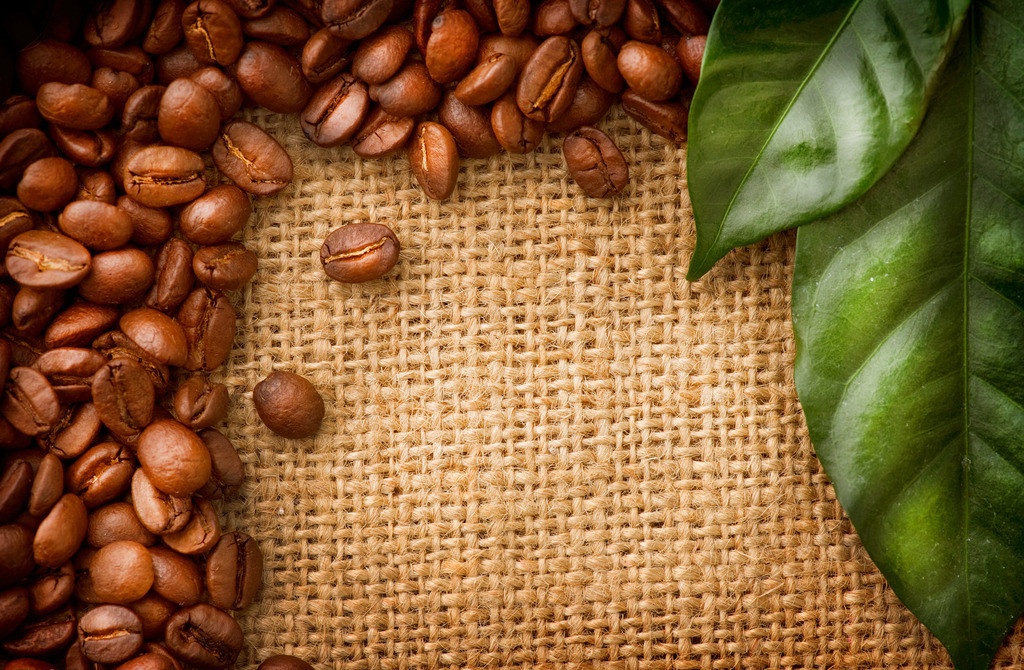
Yemeni coffee varieties with unique flavor and complete grain shape introduce the flavor of fine coffee beans in Manor.
Yemeni coffee originated from Arabian coffee trees hundreds of years ago, all produced in areas above 3000 feet above sea level. For hundreds of years, the unique planting and production methods of Yemeni coffee have remained almost unchanged. The seedlings of Yemeni coffee trees are first cultivated in nurseries and then transplanted to high elevations. Pesticides and fertilizers are not used in the breeding process. Mature coffee beans are naturally dried on coffee trees and shelled by stone grinding.
2016-09-01 Flavor unique grain shape complete Yemen coffee variety characteristics taste manor
The method of distinguishing the freshness of coffee beans
One: the way to distinguish the freshness of coffee beans: fresh coffee beans smell strong fragrance, on the contrary, it is tasteless or bad smell. Look: good coffee beans are complete in shape and full in size. On the contrary, the shape is incomplete. Pressure: fresh coffee beans are pressed fresh and crisp, and the fragrance wafts out when they crack. Color: dark black coffee beans, brewed coffee has a bitter taste. Coffee beans with a yellow color
2014-07-02 Coffee knowledge coffee bean freshness coffee encyclopedia
Basic knowledge of coffee cultivation basic knowledge of coffee
What is coffee? Coffee is the fruit of a Rubiaceae plant growing about 6000 feet above sea level, distributed on the world's narrow subtropical axis; coffee trees grow green all the year round and can grow up to 20 feet tall, and are generally controlled at 8 to 10 feet for easy harvest. It takes three to five years for the coffee tree to bear fruit. First of all, it produces small white flowers that resemble jasmine in shape and size.
2015-10-07 Coffee planting basics common sense what coffee growing in altitude
Basic knowledge of coffee beans comparison of basic data of coffee bean varieties
Suitable cultivation conditions: Arabica variety (Arabica) is suitable for plateau cultivation, Robesta variety (Robusta) is suitable for lowland cultivation, and Liberian variety (Liberica) is suitable for minimum cultivation. Production: the Arabica variety (Arabica) accounts for about 70-80% of the world's total output; the Robesta variety (Robusta) accounts for about 20-30% of the world's total output of Liberian varieties (Liberica)
2015-03-04 Coffee beans basic knowledge varieties basic information comparison suitability cultivation conditions pull